
High in the Simandou mountain range, a new chapter is unfolding. These mountains, long known for their vast iron ore reserves and unique biodiversity, now stand at the centre of Africa’s largest mining and infrastructure project. With such opportunity comes an equally great responsibility: to safeguard the environment while unlocking the country’s potential.
At SimFer, we undertake this responsibility every day through environmental monitoring. The quiet, steady work of watching, measuring, and caring for land, water, air, and life.
“Monitoring the environment is not optional,” says Rui Guinote, Environmental Manager at SimFer. “It’s at the heart of everything we do. We need to know exactly how the project interacts with its surroundings. From the water people drink to the biodiversity that makes this area unique.”
Watching closely
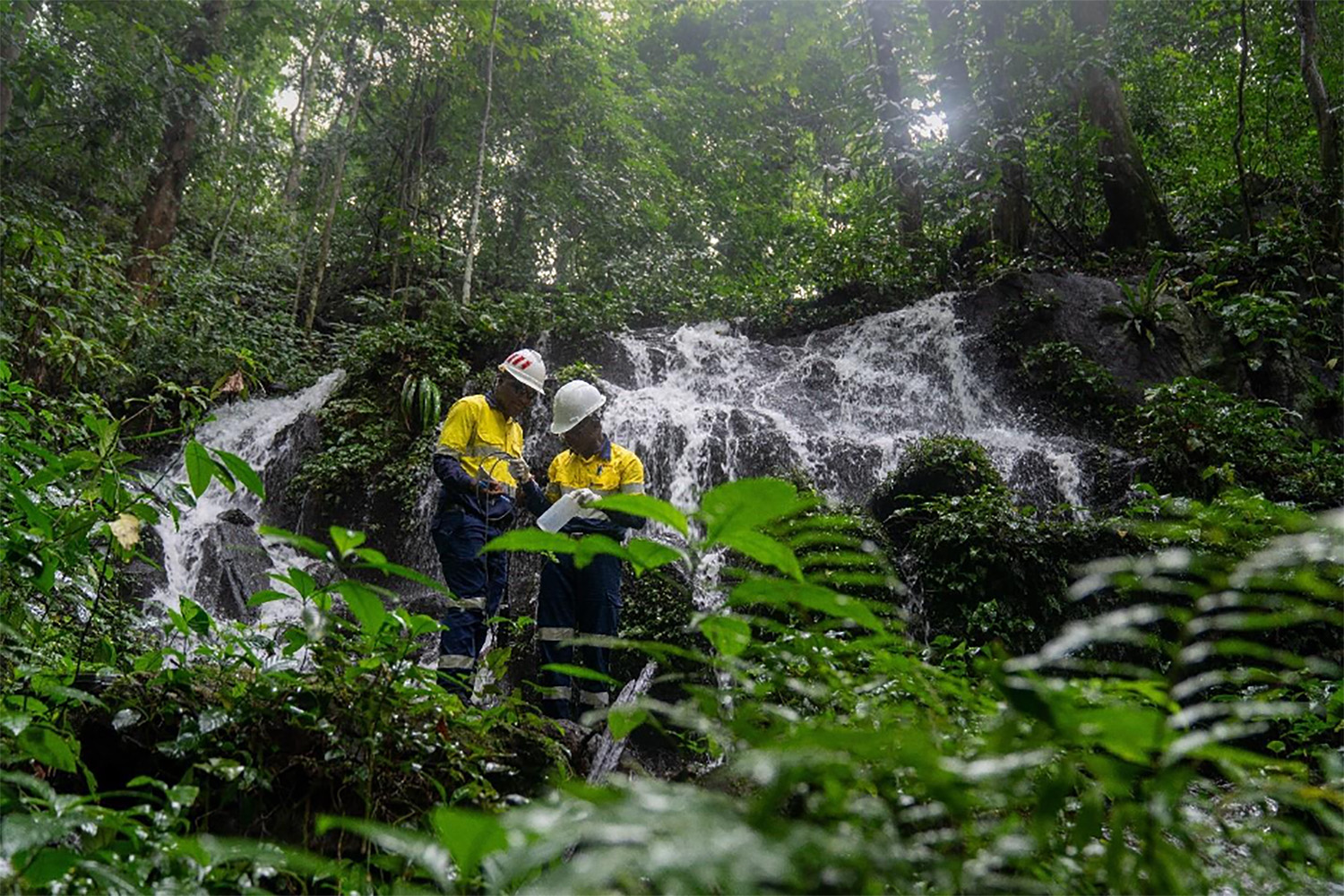
Environmental monitoring at Simandou covers every aspect of the environment that could affect people, communities, or ecosystems. Water quality, air quality, noise, and vibration are measured both on site and in surrounding areas including nearby villages. We survey plants, animals, and habitats, while also closely monitoring energy use and waste to track direct and indirect emissions, and weather data is collected to support safe operations.
“We don’t just look at what happens on site,” Rui explains. “We also measure in neighbouring communities. That way, we know the real impact and can act quickly if something changes.”
Why it matters
Large projects inevitably impact the environment, but those impacts can and must be managed.
“Our job is to measure them carefully and keep them within safe limits,” Rui says. “And when needed, we act, whether it’s reducing dust, improving water quality, or protecting ecosystems.”
Environment monitoring is also useful for safety. Weather data helps flights and construction schedules. Potable water checks keep camps safe and healthy. Each result strengthens the project’s ability to deliver while protecting the people and ecosystems that depend on Simandou.
Tools on the ground
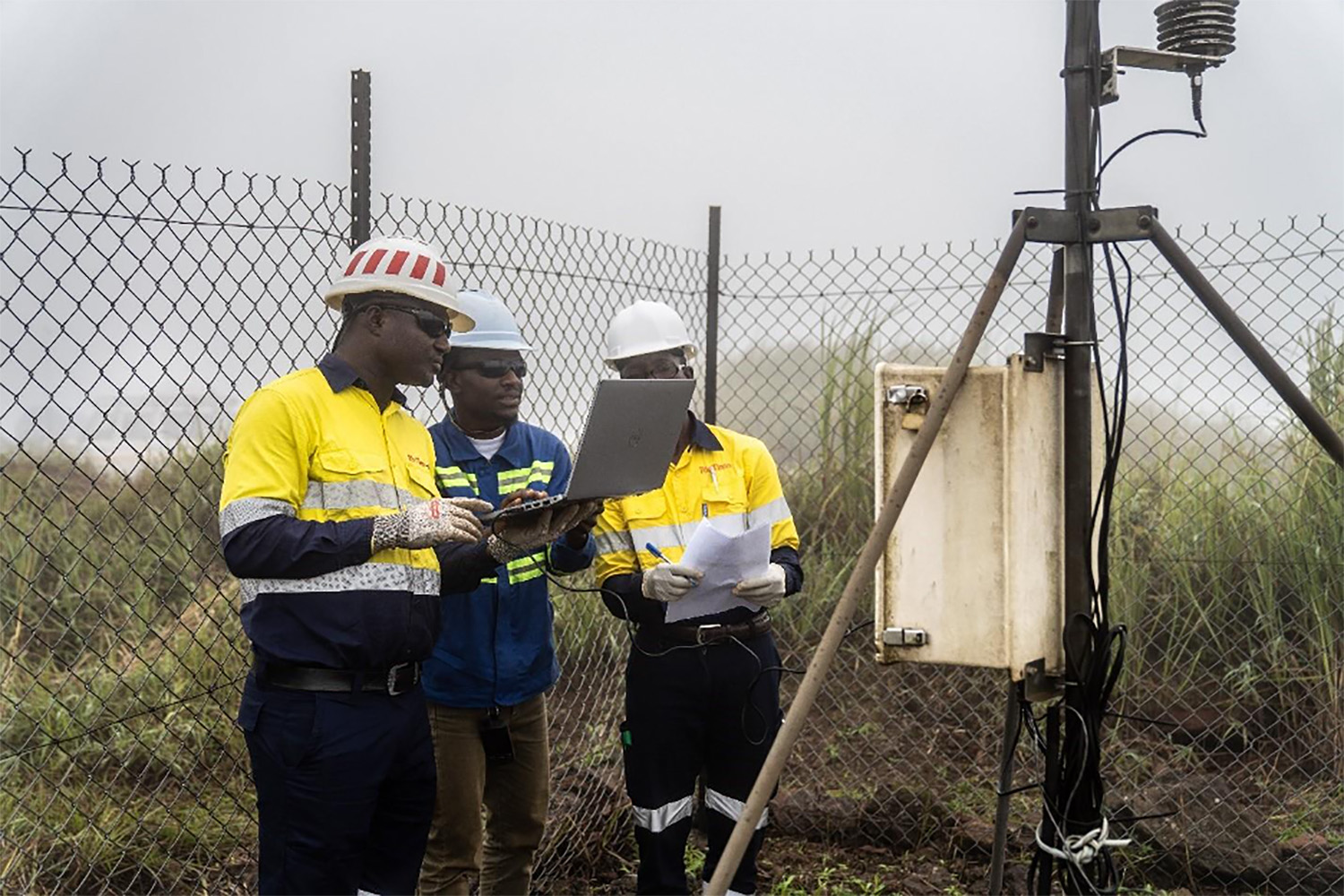
Environmental monitoring at Simandou combines science, technology, and people. Field teams collect samples in rivers, villages, and camps. Telemetry stations send live data on air, noise, and vibration. A dedicated laboratory analyses results, supported by external experts, while biodiversity specialists use surveys and camera traps to track flora and fauna.
“Telemetry is a game changer,” Rui explains. “It allows us to receive live data and issue alerts in real time. That means we can respond immediately if something is out of line.”
Progress and commitment
So far, around 20 monitoring stations are in place, with plans to increase. A new environmental data management system is helping consolidate and interpret results. Biodiversity surveys have already led to the discovery of species unique to Simandou.
This effort represents a major investment: several million dollars in equipment, laboratories, and expertise, with a large team specifically dedicated and contributing to monitoring every day.
“Monitoring gives us knowledge and accountability,” Rui reflects. “It helps us protect communities, safeguard biodiversity and ecosystems, and ensure this project leaves a positive legacy.”
A shared responsibility
As work advances, the Simandou mountains remind us of what is at stake: a landscape of extraordinary value, whose future depends on choices made today. Through environmental monitoring, SimFer and its partners embrace their role as guardians, ensuring that development and sustainability go hand in hand.